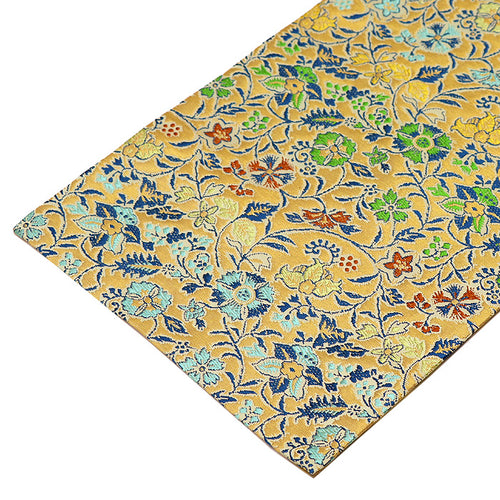
*The pattern may be different from the image shown due to the cutting process


Detail
| Product : | Kyo-Nishiki Furoshiki: Tenpyō Ornat Brocade |
|---|---|
| Type : | Furoshiki |
| Tags : | Wrapping available、 Japanese Accessories、 Design_Tempyo Kirei pattern brocade、 Shosoin cleft、 |
| Other : |
Please note that due to cutting, the pattern placement may differ from the displayed image. Product photos may appear slightly different in color from the actual item due to lighting conditions and your device's display settings. |
| Other : | Gift wrapping service available |
Reviews


Description
These furoshiki from Tatsumura Art Textiles are perfect for wrapping sweets, alcohol, and gifts. When wearing a kimono, you can also use them as a small bag. Not only are they functional, taking full advantage of the fabric’s thin and lightweight qualities, but they also feature vibrant, eye-catching designs, making them a popular choice as souvenirs for overseas travelers.
Made from 100% pure silk keikin fabric, each furoshiki features a Tatsumura Art Textiles label on the reverse side.
The 60cm square size is perfect for wrapping small bento boxes, boxes of sweets, and wine bottles. The 90cm square size is large enough to wrap a one-shō bottle or be used to make an eco-bag. It can also be used as a tablecloth.
Patterns
Tempyo Kamhata-mon Nishiki(Warp-patterned Brocade with Lozenges and Flowers Design)

Shosoin-sAKI is an enormous collection of textile dyeing and weaving techniques of the 7th and 8th centuries not only in Japan but also in East Asia, and is known as an extremely valuable source of information on all kinds of dyeing and weaving techniques of this period. This poem is one of them. Although small in size, it is a gorgeous tsuzunishiki brocade with iriko water chestnuts and floral motifs in a dizukin tone color scheme. The ancient Japanese word "Ki" refers to the traditional spelling weaving machine, and in China, this spelling weaving was used as a strong belt, hence the name "Kanhata," which refers to the narrow Sanada-himo style weaving. This piece is woven using the sutra brocade weaving method with a graceful and elegant floral and geometric design on a dizukin ground so as not to detract from the Ki style, and is a reminder of the beauty of the Tenpyo period.
Related Related products
-
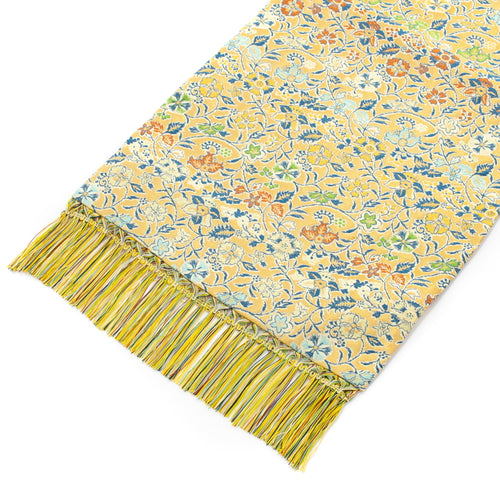
Table Runner of Soun-ji Design (Soun-ji Bundai-gire)
![]()
- Regular price
- from ¥24,200 (Tax included.)
- Sale price
- from ¥24,200 (Tax included.)
- Regular price
-
- Unit price
- per
Sold out -
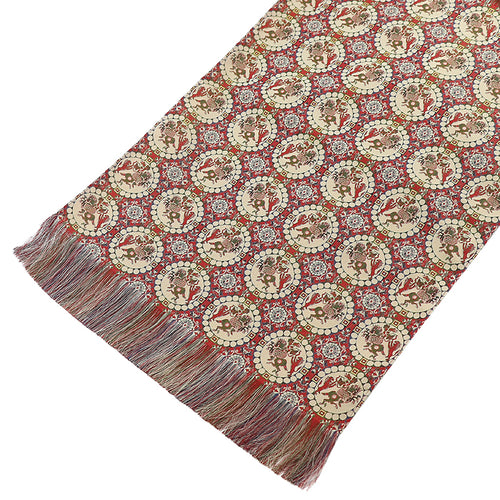
Table Centerpiece: Lion Hunt Brocade Pattern
![]()
- Regular price
- from ¥8,250 (Tax included.)
- Sale price
- from ¥8,250 (Tax included.)
- Regular price
-
- Unit price
- per
Sold out -
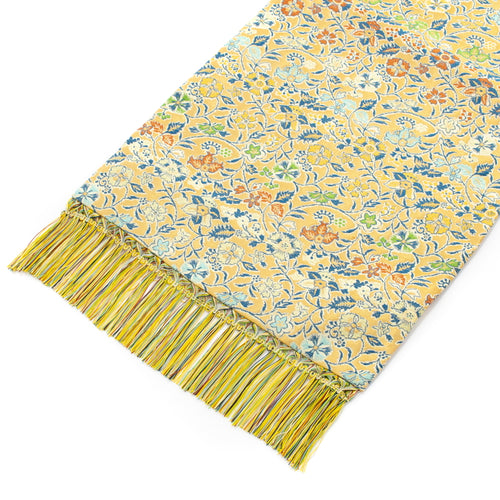
Table Runner: Sōun-ji Buntai-zori [Web Exclusive]
![]()
- Regular price
- from ¥38,500 (Tax included.)
- Sale price
- from ¥38,500 (Tax included.)
- Regular price
-
- Unit price
- per
Sold out -
Vase Coaster with Lining—Sōun-ji Temple Patterned Cloth [Web Exclusive]
![]()
- Regular price
- ¥11,000 (Tax included.)
- Sale price
- ¥11,000 (Tax included.)
- Regular price
-
- Unit price
- per
Sold out