Collection: interposed pattern collection

Mamdo (Kandou) refers to striped or plaid textiles brought to Japan from the Muromachi period (1333-1573) to the Edo period (1603-1868). The majority of these fabrics were made of silk striped fabrics from the southern region of China. The characteristic mamidori patterns were prized as "meimono saké" (specialty textiles), and were often used for tea utensils such as tea bags and other items for the tea ceremony. Therefore, they are said to have greatly influenced the development of striped fabrics in the early modern period.
Tatsumura Bijutsu Orimono has long devoted itself to the restoration and study of these mamdo patterns. In this special issue, we will take up these mamdo patterns once again and present them to you. We hope you will enjoy the patterns loved by many tea masters.
Please refer to the following for the explanation of each pattern.
[ Kin Yoshino / Gin Yoshino / Asakura Madote / Tsurugaoka Madote / Hino Madote]


- Previous Page
- Page: 2 / 2
-
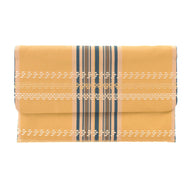
Rosary Container (L) (asakurakandoute)
- Regular price
- ¥13,200 (Tax included.)
- Sale price
- ¥13,200 (Tax included.)
- Regular price
-
- Unit price
- per
Sold out -
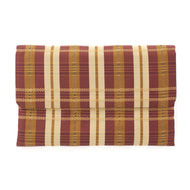
Rosary Container (L) (turugaokakandou)
- Regular price
- ¥13,200 (Tax included.)
- Sale price
- ¥13,200 (Tax included.)
- Regular price
-
- Unit price
- per
Sold out -
Tie (Hino Kanto)

- Regular price
- ¥19,800 (Tax included.)
- Sale price
- ¥19,800 (Tax included.)
- Regular price
-
- Unit price
- per
Sold out -
Formal Small Purse (Web Only) (Kin Yoshino)

- Regular price
- ¥33,000 (Tax included.)
- Sale price
- ¥33,000 (Tax included.)
- Regular price
-
- Unit price
- per
Sold out -
Formal Small Purse (Web Only) (Gin Yoshino)
- Regular price
- ¥33,000 (Tax included.)
- Sale price
- ¥33,000 (Tax included.)
- Regular price
-
- Unit price
- per
Sold out -
Handbag HANNARI (Web Only) (Kin Yoshino)

- Regular price
- ¥66,000 (Tax included.)
- Sale price
- ¥66,000 (Tax included.)
- Regular price
-
- Unit price
- per
Sold out -
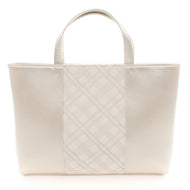
Handbag Hanneri Gin Yoshino [WEB Limited].
![Handbag Hanneri Gin Yoshino [WEB Limited].](//shop.tatsumura.co.jp/cdn/shop/files/bag_03_1_2c15deaf-190a-427b-b7e5-41ef7a05ecfb_95x95@2x.jpg?v=1754022217)
- Regular price
- ¥66,000 (Tax included.)
- Sale price
- ¥66,000 (Tax included.)
- Regular price
-
- Unit price
- per
Sold out -
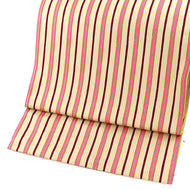
Sitate-nagoya-obi (Hino Kan-do)
- Regular price
- ¥132,000 (Tax included.)
- Sale price
- ¥132,000 (Tax included.)
- Regular price
-
- Unit price
- per
Sold out


![Handbag Hanneri Gin Yoshino [WEB Limited].](http://shop.tatsumura.co.jp/cdn/shop/files/bag_03_1_2c15deaf-190a-427b-b7e5-41ef7a05ecfb_95x95@2x.jpg?v=1754022217)
- Previous Page
- Page: 2 / 2