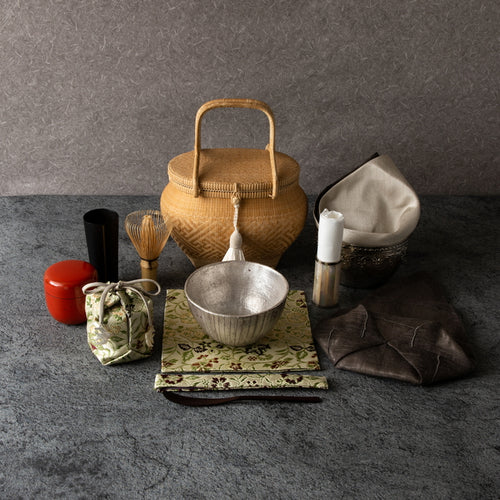
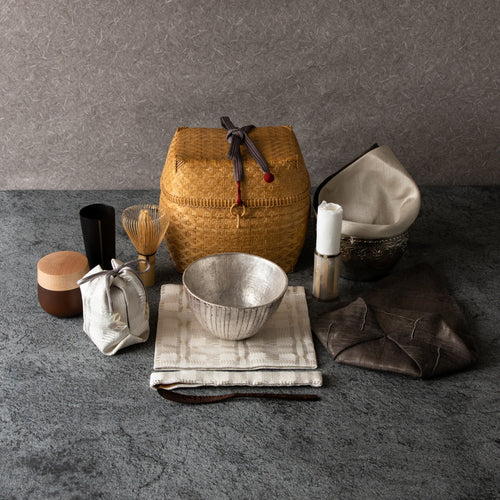
Sash: Hakuza; Enshu Cloisonné

*The pattern may be different from the image shown due to the cutting process

Sash: Hakuza; Enshu Cloisonné

*The pattern may be different from the image shown due to the cutting process

Sash: Hakuza; Enshu Cloisonné

*The pattern may be different from the image shown due to the cutting process

Sash: Hakuza; Enshu Cloisonné

*The pattern may be different from the image shown due to the cutting process

Sash: Hakuza; Enshu Cloisonné

*The pattern may be different from the image shown due to the cutting process

Sash: Hakuza; Enshu Cloisonné

*The pattern may be different from the image shown due to the cutting process

Sash: Hakuza; Enshu Cloisonné

*The pattern may be different from the image shown due to the cutting process

Sash: Hakuza; Enshu Cloisonné

*The pattern may be different from the image shown due to the cutting process

Sash: Hakuza; Enshu Cloisonné

*The pattern may be different from the image shown due to the cutting process

Sash: Hakuza; Enshu Cloisonné

*The pattern may be different from the image shown due to the cutting process

Sash: Hakuza; Enshu Cloisonné

*The pattern may be different from the image shown due to the cutting process

Sash: Hakuza; Enshu Cloisonné

*The pattern may be different from the image shown due to the cutting process

  • Load image into Gallery viewer, Sash: Hakuza; Enshu Cloisonné
  • Load image into Gallery viewer, Sash: Hakuza; Enshu Cloisonné
  • Load image into Gallery viewer, Sash: Hakuza; Enshu Cloisonné
  • Load image into Gallery viewer, Sash: Hakuza; Enshu Cloisonné
  • Load image into Gallery viewer, Sash: Hakuza; Enshu Cloisonné
  • Load image into Gallery viewer, Sash: Hakuza; Enshu Cloisonné
  • Load image into Gallery viewer, Sash: Hakuza; Enshu Cloisonné
  • Load image into Gallery viewer, Sash: Hakuza; Enshu Cloisonné
  • Load image into Gallery viewer, Sash: Hakuza; Enshu Cloisonné
  • Load image into Gallery viewer, Sash: Hakuza; Enshu Cloisonné
  • Load image into Gallery viewer, Sash: Hakuza; Enshu Cloisonné
  • Load image into Gallery viewer, Sash: Hakuza; Enshu Cloisonné

Sash: Hakuza; Enshu Cloisonné

Regular price
¥11,000 (Tax included.)
Sale price
¥11,000 (Tax included.)
Regular price
Sold out
Unit price
per 

Tatsumura Saki products are used by many people who enjoy the tea ceremony. The various beautiful patterns of the textiles add a touch of beauty to tea ceremonies even today. Please enjoy the beauty of the textiles that casually and lustrously decorate the hands of those who handle tea utensils.


Wrapping : Gift wrapping service available

Size (cm) : W27.0 x H28.0

* のしは内のしで包装いたします。外のしをご希望の場合は備考欄にご記載ください。また、【弔事】は黒白5本結び切りの掛け紙を使用し、文字は薄墨です。濃墨をご指定の場合は備考欄にご記入ください。

Points to Be Earned: Key Points

You must be a registered member to earn and redeem points. 詳しくはHereをご覧ください。

Back in stock notification

Detail

Product : Sash: Hakuza; Enshu Cloisonné
Type : Removing the Furoshiki
Size (cm) : W27.0 x H28.0
Tags : 130th anniversary object-3stoatsummer collectionWrapping availableFamous fabricEnshu CloisonneSearch_Gion_Festival_2024_object-2Saori (woven gauze)Tea utensilsfukusa
Other : Please note that due to cutting, the pattern placement may differ from the displayed image.
Product photos may appear slightly different in color from the actual item due to lighting conditions and your device's display settings.
Other : Gift wrapping service available

Reviews

Description

This is a “de-hossha” (ceremonial cloth) used in tea ceremony schools such as the Omotesenke School. This Tatsumura-bori hossha showcases exquisite weaving techniques and beautiful patterns. For important tea ceremonies, please select a de-hossha that suits the occasion.Whether you choose one based on the season or for its aesthetic appeal, this single item reflects your good taste and elegance. You can also enjoy a coordinated look by pairing it with a Sukiya-style pouch or a kaishi case featuring the same pattern.It is highly regarded both as an essential accessory for tea ceremonies and as a gift. For those practicing the tea ceremony, having multiple de-haku-sa is always useful. Why not give one as a gift so the recipient can choose a de-haku-sa to match their attire or personal taste? It can also be used as a decorative accent in your home, such as a mat for an incense burner.

[About “Sha” (Sheer Fabric)]
This fabric has a loose weave and a sheer texture. It has a cool, airy feel and is ideal for summer use.

Patterns

The "Enshū" Brocade with Seven Treasures Pattern

After the great tea-masters such as Riky ū, Oribe and Sekishū, Enshū Kobori (1577-1645) has become a distinguished expert of the tea ceremony in Japan.He contributed a great deal in designing the gardens of "Katsura" and "Shūgaku-in" and other famous gardens. Apart from garden construction, he ordered from China various works of art and craft using the cut patterns he designed himself and thus left a valuable cultural inheritance to posterity. The "Seven Treasures" pattern called the "Enshū" pattern is one of these works and is a good proof of his order to China. The desi gn with somewhat rectangular forms enclosing a round "Shippō" pattern and flowers such as a chrysanthemum, a camelia and a peony has become most famous. Today there are some cases where this pattern is used without conscious awareness and in this way shows its great influence.