*The pattern may be different from the image shown due to the cutting process


Detail
| Product : | Kaishi Paper Container (Tea-things) (Tempyo Kamhata-mon Nishiki) |
|---|---|
| Type : | Kaishi Pouch |
| Size (cm) : | W18.5 x H10.0 x D2.0 |
| Tags : | 130th anniversary object-3、 Wrapping available、 Design_Tempyo Kirei pattern brocade、 Shosoin cleft、 Tea utensils、 |
| Other : |
Please note that due to cutting, the pattern placement may differ from the displayed image. Product photos may appear slightly different in color from the actual item due to lighting conditions and your device's display settings. |
| Other : | Gift wrapping service available |
Reviews


Description
This item is designed to hold the kaishi (traditional Japanese paper) used in the tea ceremony. It features an inner pocket for storing used kaishi, toothpicks, and other small items. Kaishi is currently being rediscovered as a versatile etiquette accessory. It’s not only a staple for tea ceremonies but is also enjoying a resurgence in popularity as a refined pastime for adults.
*Features the “Tatsumura Original Name” on the lining.
■ Product Tips: “Kaishi Case” Edition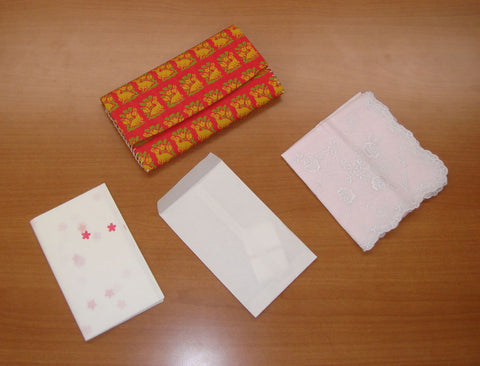
While the “kaishi case” is strongly associated with tea ceremonies, we’d like to share some recommended uses even for those who haven’t studied the tea ceremony.
Click here to continue reading the “Product Tips: Kaishi Case” edition.
Patterns
Tempyo Kamhata-mon Nishiki(Warp-patterned Brocade with Lozenges and Flowers Design)

Shosoin-sAKI is an enormous collection of textile dyeing and weaving techniques of the 7th and 8th centuries not only in Japan but also in East Asia, and is known as an extremely valuable source of information on all kinds of dyeing and weaving techniques of this period. This poem is one of them. Although small in size, it is a gorgeous tsuzunishiki brocade with iriko water chestnuts and floral motifs in a dizukin tone color scheme. The ancient Japanese word "Ki" refers to the traditional spelling weaving machine, and in China, this spelling weaving was used as a strong belt, hence the name "Kanhata," which refers to the narrow Sanada-himo style weaving. This piece is woven using the sutra brocade weaving method with a graceful and elegant floral and geometric design on a dizukin ground so as not to detract from the Ki style, and is a reminder of the beauty of the Tenpyo period.
Related Related products
-
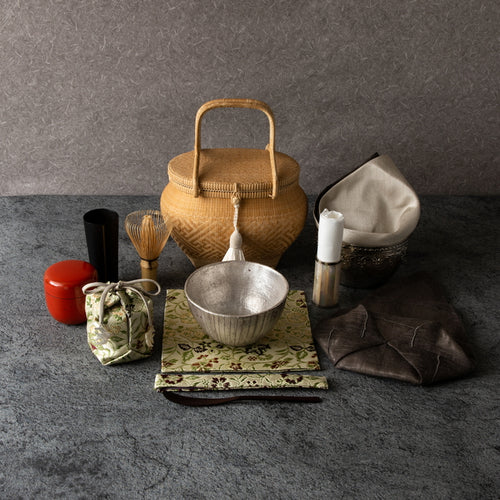
Tea Basket "BANZAIRAKU" (Kamon Kougei) [WEB Limited]
![]()
- Regular price
- ¥396,000 (Tax included.)
- Sale price
- ¥396,000 (Tax included.)
- Regular price
-
- Unit price
- per
Sold out -
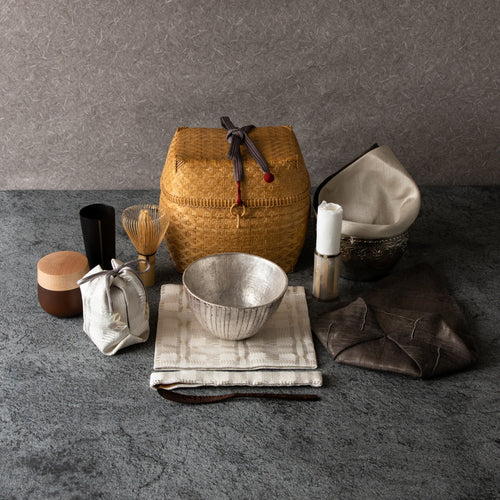
Tea Basket "TAMATEBAKO" (Kamon Kougei) [WEB Limited]
![]()
- Regular price
- ¥198,000 (Tax included.)
- Sale price
- ¥198,000 (Tax included.)
- Regular price
-
- Unit price
- per
Sold out -
Tea Basket "KIRARA" (Kamon Kougei) [WEB Limited]
![]()

- Regular price
- ¥105,600 (Tax included.)
- Sale price
- ¥105,600 (Tax included.)
- Regular price
-
- Unit price
- per
Sold out -
Antique Furoshiki—Grape and Arabesque Pattern Brocade
![]()

- Regular price
- ¥6,050 (Tax included.)
- Sale price
- ¥6,050 (Tax included.)
- Regular price
-
- Unit price
- per
Sold out